
Making an offer on a Hamilton home is exciting, but the best offers are informed offers. Before you waive contingencies or move too quickly, take time to review the public records and property-specific details that can affect your budget, timeline, and comfort after closing.
This is a practical pre-offer checklist for buyers considering Hamilton Township and nearby Mercer County homes. It is not legal, tax, insurance, or environmental advice; use the appropriate licensed professionals for your transaction.
1. Ask about permits and the change-of-occupancy process
Start with the improvements you can see: finished basements, decks, additions, converted garages, electrical upgrades, and replaced mechanical systems. Ask the seller for permit and contractor records, then discuss any unanswered questions with your inspector and attorney.
For a single-family resale in Hamilton Township, the Township’s change-of-occupancy materials state that open construction permits must be closed before the Certificate of Occupancy can be issued. That makes permit status a useful early question—not a last-minute surprise. Review the Township’s sale application and requirements, and confirm which responsibilities belong to the seller, buyer, and closing team.
2. Build a realistic ownership budget
Your monthly payment is more than principal and interest. Ask for the most recent property-tax bill, then have your lender estimate taxes, homeowners insurance, mortgage insurance if applicable, and any HOA or condo fees. If the home has a pool, older heating equipment, a large lot, or a shared system, plan for the maintenance questions those features create.
Tax bills and assessments can change, so treat a prior bill as a planning input—not a promise. Your lender and closing professionals can help explain the figures tied to your specific purchase.
3. Check the flood map, then ask property-specific questions
Hamilton includes a mix of neighborhoods, topography, and drainage conditions. Enter the exact property address in FEMA’s Flood Map Service Center, the official public source for FEMA flood-hazard information. Save the result for your records and share it with your lender and insurance professional if the property is in or near a mapped flood area.
Map information is only one part of the conversation. Ask the seller about prior water entry, sump-pump use, drainage work, insurance claims, and any repairs. During inspections, pay attention to grading, gutters, downspout discharge, the basement, crawlspace, and signs of past moisture. If flood insurance may be relevant, get a property-specific quote early enough to understand the cost and coverage options.
4. Read disclosures and inspection findings together
Seller disclosures give you a starting point; an inspection gives you an independent look at accessible systems and conditions. Read both carefully, then compare them with what you observed during showings. If a report identifies a concern, ask the right specialist for the next step rather than assuming a broad repair estimate will fit every property.
For older homes, useful follow-up questions may involve the roof, foundation, electrical service, heating and cooling age, sewer or septic status where applicable, and whether permits or receipts support completed work. Keep the request list focused and documented through your transaction team.
5. Use environmental mapping as a screening tool
New Jersey buyers can also review nearby environmental information. NJDEP’s Contaminated Sites Explorer and related mapping tools provide public information about known remediation sites and other layers. A nearby mapped site does not, by itself, establish a problem with a home; likewise, a map does not replace property-specific advice or testing. Use it to frame informed questions for qualified professionals when appropriate.
A simple pre-offer workflow
- Save the listing, seller disclosure, and property-tax information in one folder.
- Review permits and the Township’s resale requirements early.
- Check the FEMA map and speak with an insurance professional if needed.
- Schedule inspections promptly and reserve specialist follow-up time.
- Keep your lender, attorney, and agent aligned on dates, documents, and contingencies.
The right home is not simply the one that looks good on showing day. It is the one you understand well enough to buy with a plan.
Looking at homes in Hamilton or Mercer County?
Anthony Averhart of A Heart Sells Homes can help you build a property-specific due-diligence plan, coordinate the questions that matter, and keep your offer strategy organized. Browse available homes or contact Anthony to talk through your next move.
A Heart Sells Homes, powered by Real Broker LLC.
FROM OUR BLOG

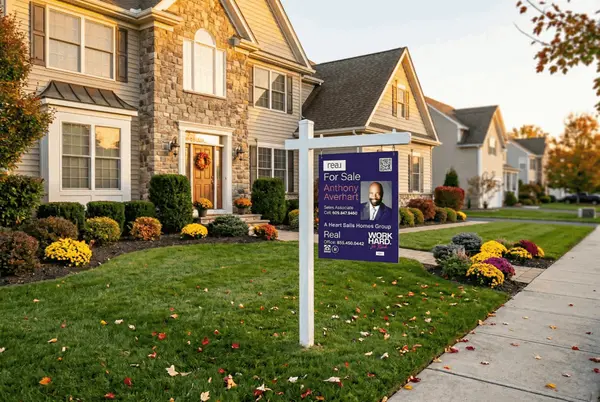
Is Now a Good Time to Sell Your Home in NJ?
Is It the Right Time to Sell? If you're thinking about selling your home, you're not alone. A lot of homeowners are asking that same question right now. The truth is, timing the market perfectly isn’t the goal. What matters is understanding current conditions—and how they impact your specific proper

First-Time Home Buyer Programs in New Jersey (2026 Guide)
Buying your first home in New Jersey can feel overwhelming, but there are several programs designed to make the process more affordable and accessible. Many first-time buyers in areas like Trenton, Hamilton, and Ewing qualify for down payment assistance, reduced interest rates, and flexible loan opt
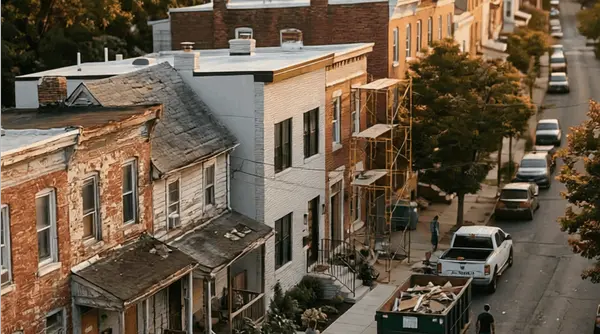
Best Real Estate Investment Opportunities in Trenton NJ (2026 Guide for Investors)
Why Investors Are Targeting Trenton NJ Right Now Trenton is becoming one of the most overlooked investment markets in New Jersey. With relatively low entry prices compared to surrounding areas and steady rental demand, investors are finding opportunities that are harder to find in more competitive m
GET IN TOUCH

Broker-Salesperson License ID: 0572288
165 Passaic Ave., Suite 205, Fairfield, New Jersey 07004, USA